Field Trips That Inspire: Learning Beyond the Classroom
Field Trips That Inspire: Learning Beyond the Classroom
The Magic of Hands-On Learning
There’s something truly special about stepping outside the classroom and into a world of discovery. Whether it’s standing in a place where history was made, conducting hands-on science experiments, or exploring a museum filled with cutting-edge technology, field trips turn lessons into experiences. They take what students learn in books and bring it to life, creating lasting memories and deeper understanding.
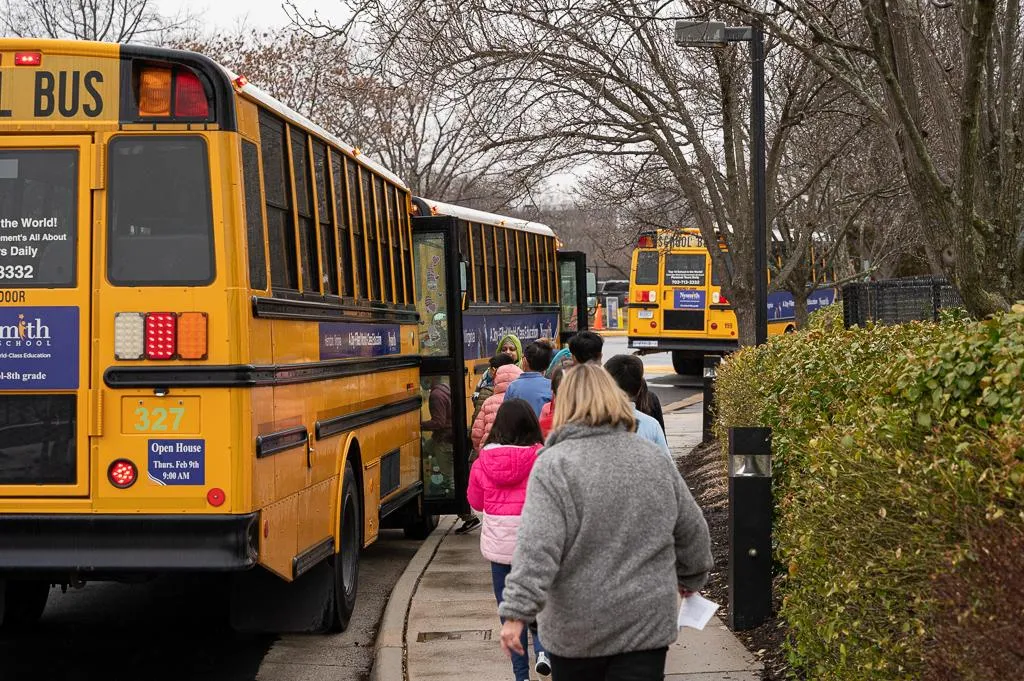
At Nysmith, we believe that learning doesn’t stop at the classroom door. That’s why we have designed field trips to be an essential part of every student’s educational journey—starting from our youngest learners in Beginners, all the way through eighth grade. Each grade takes between 8–10 field trips per year, carefully chosen to complement classroom learning while sparking excitement and curiosity.
These trips aren’t just about seeing something new—they’re about experiencing learning in a way that makes it real and meaningful. One of the most exciting aspects of our location is the incredible access we have to world-class museums, historical landmarks, and STEM institutions in Washington, D.C., and the surrounding area.
As our students mature, so do their field trip experiences. Starting in second grade, students embark on overnight field trips, traveling to various cities to deepen their understanding of history, science, and culture. These trips—often some of the most anticipated moments of the school year—allow students to immerse themselves in the places they’ve studied, creating lasting memories and a stronger connection to their lessons.
For example, when our students explore cities that played a major role in American history, they get to walk the same streets, see the original documents, and hear from experts who bring the past to life. This kind of firsthand experience makes history feel real—it’s no longer just dates and names on a page, but stories they’ve seen and places they’ve stood.
Field trips aren’t just a day away from school—they’re an extension of the classroom. And at Nysmith, we make sure that every trip is an opportunity for students to connect, question, and discover something that sparks their imagination.
The Power of Experiential Learning
At Nysmith, we know that real-world experiences deepen understanding in ways that traditional classroom learning alone cannot. When students step into a new environment, they aren’t just absorbing information—they’re actively engaging with it. Field trips:

Provide real-world context – Students see the direct connection between what they learn in school and how it applies in the real world.
Encourage critical thinking – Whether analyzing historical artifacts, conducting science experiments, or solving engineering challenges, students must ask questions and draw conclusions.
Make learning personal and memorable – A well-timed field trip can spark a lifelong interest in a subject, simply because students experienced it in an exciting and immersive way.
A great example of experiential learning in action is our visit to Planet Word, an interactive museum dedicated to the power of language. Instead of simply studying vocabulary or reading about the origins of storytelling, students are immersed in exhibits that allow them to see, hear, and even speak the evolution of language. Whether they’re activating a wall of words with their voices or exploring how famous speeches have shaped history, they walk away with a deeper appreciation for how language shapes our world.
Another impactful experience happens in fourth grade, when students study immigration and travel to New York City’s Tenement Museum. Here, they don’t just learn about immigration—they step into the preserved homes of immigrant families from the 19th and early 20th centuries. Walking through these tenement apartments and hearing the real stories of those who lived there gives students a profound understanding of what life was like for immigrants arriving in America. This experience connects classroom discussions to real lives and real struggles, making history feel personal and relevant.
Field trips like these bridge the gap between knowledge and experience, ensuring that students don’t just learn about a topic—they live it.
Memorable and Inspiring Field Trips at Nysmith
Ask any Nysmith student about their favorite school experiences, and chances are a field trip will be near the top of their list. From exploring world-class museums to embarking on highly anticipated overnight trips, these experiences leave a lasting impression—both academically and personally.
Field trips are thoughtfully selected to enhance classroom learning while sparking excitement and curiosity. Whether students are walking through historic battlefields, exploring the path of American expansion, or tracing their own family history, these moments deepen their understanding and create unforgettable memories.
Unforgettable Experiences That Bring Learning to Life
Throughout the years, students take part in a variety of field trips that reinforce their studies. Some include:
Udvar-Hazy Center – Just down the road from Nysmith, this Smithsonian Air and Space Museum annex gives students a chance to see historic aircraft, from the Space Shuttle Discovery to the SR-71 Blackbird, making their lessons in aviation and space exploration truly tangible.
Washington, D.C. Museums & Landmarks – With the nation’s capital as our extended classroom, students explore museums, government institutions, and cultural landmarks that connect directly to their studies.
The Excitement of Overnight Field Trips
Starting in second grade, students take part in overnight field trips that allow them to fully immerse themselves in their studies while building independence and lifelong memories. Here are a couple of the exciting destinations our students travel to:

Second Grade – Williamsburg, VA: As part of their study of colonial America, students travel to Williamsburg, stepping back in time to experience life in the 1700s through interactive exhibits, historic reenactments, and hands-on activities.
Fourth Grade – Gettysburg, PA: After spending a portion of the year studying the Civil War, students visit Gettysburg to walk the historic battlefield, hear the stories of soldiers and leaders of this pivotal moment in American history. Through guided tours and interactive experiences, they step into the past and bring their studies to life.
Eighth Grade – New York, NY: As part of their study on globalism, students explore New York’s role as an international hub of commerce, culture, and diplomacy.
The Student Perspective: Lasting Memories
For many students, these trips are highlights of their Nysmith experience—ones they look forward to for years and remember well into adulthood. In fact, some of our graduates have even referenced their favorite field trips in their graduation speeches, reflecting on how these experiences shaped their love of learning.
(This is where we could include quotes or anecdotes from students or teachers about their most memorable field trips. Let me know if you have any you’d like to include!)
Beyond the Bus Ride: Lasting Lessons from Field Trips
Field trips may only last a day (or a few), but the lessons they teach stay with students for a lifetime. These experiences go beyond simply reinforcing classroom material—they inspire future passions, build confidence, and cultivate a deeper understanding of the world.

One of the most remarkable aspects of experiential learning is how it sparks curiosity that extends far beyond the trip itself. A student who walks through Ellis Island may go home eager to research their own ancestry. A budding scientist who visits Udvar-Hazy might start imagining a future career in aerospace engineering. By engaging students in real-world environments, field trips can plant the seeds of lifelong interests and even career aspirations.
Beyond academics, field trips also help students develop important life skills:
Confidence and Independence – Navigating a new place, asking questions, and engaging with experts teaches students how to advocate for their own learning.
Collaboration and Communication – Many field trips involve team-based challenges or discussions, reinforcing the importance of working together.
Adaptability and Problem-Solving – Experiencing something outside of their daily routine encourages students to think critically and adjust to new situations.
For many Nysmith students, these experiences become defining moments of their education. Long after they’ve moved on from a particular grade level, they remember what it felt like to stand in a historic battlefield, to walk the halls of a government building, or to look up at the vastness of space from inside a planetarium. These aren’t just school trips—they are pivotal learning experiences that shape how students see the world and their place in it.
More Than Just a Day Away from School
At Nysmith, field trips are not just an occasional outing—they are an integral part of our educational philosophy. By stepping outside the classroom, students are able to see, experience, and connect with what they are learning in ways that deepen their understanding and fuel their curiosity.
These experiences do more than reinforce classroom lessons—they broaden perspectives, inspire new passions, and create lasting memories. Whether it’s an overnight trip to Williamsburg, an exploration of aviation history at Udvar-Hazy, or a visit to the halls of government in Washington, D.C., each trip is designed to bring learning to life in a meaningful and impactful way.
We know that some of the most powerful moments in education happen beyond textbooks and whiteboards—they happen when a student stands in a place they’ve only read about, asks a question that leads to a new discovery, or finds inspiration in an unexpected place.
Field trips aren’t just a break from the school day—they are an essential part of a well-rounded education that stays with students long after the bus ride home.
